How to Build an Author Platform in 7 Steps Before Your Non-Fiction Book Is Finished
By Zachariah Stratford
Building an author platform isn't something you do *after* your non-fiction book is published. The smartest authors start long before the final draft is even complete. By strategically cultivating your audience and establishing your authority early, you create a built-in readership eager for your book's release. This proactive approach saves you immense effort during launch, turning months of desperate promotion into a celebration with your already-engaged community.
Define Your Niche and Target Audience
Before you write a single word of marketing copy, you need absolute clarity on who your book is for and what problem it solves. This isn't just about your book's topic; it's about the specific person who will benefit most from reading it. Think about their demographics, their current struggles, and their aspirations. What kind of language resonates with them? What other books, podcasts, or online communities do they engage with? Understanding your ideal reader allows you to tailor all your platform-building efforts directly to them, ensuring every piece of content you create hits its mark. Without this foundational step, you're building a platform in the dark.
Choose Your Core Content Channel(s)
You can’t be everywhere all at once, especially when you're still writing a book. Focus your energy on 1-2 primary channels where your target audience congregates. Is your audience on LinkedIn looking for professional development? Or are they on Instagram seeking visual inspiration and quick tips? Perhaps a weekly newsletter through email marketing is the most effective way to reach them with deeper insights. A blog on your personal website, a podcast, or a YouTube channel are all viable options. The key is to select platforms where you can consistently deliver value in a format your audience prefers, without spreading yourself too thin. Remember, quality over quantity always wins when it comes to early platform building.
An editorial author photo — the first asset a platform needs, before the book exists
Create Valuable, Related Content Consistently
Once you've identified your audience and chosen your channels, start creating content that provides real value. This isn't about selling your book yet; it's about demonstrating your expertise and building trust. Share insights, offer practical advice, tell relevant stories, and answer common questions related to your book's topic. If your book is about personal finance, you might share budgeting tips or investment strategies. If it's about leadership, you could offer quick lessons on team motivation. Consistency is paramount here. Whether it's a weekly blog post, a bi-weekly newsletter, or a daily social media tip, showing up regularly keeps your audience engaged and reinforces your position as an authority. This content also gives you something to share and discuss, facilitating early interactions.
7 Steps to Build Your Author Platform Before Your Book Is Finished
Define Your Niche and Target Audience: Understand exactly who your book is for and their specific needs.
Choose Your Core Content Channel(s): Select 1-2 platforms where your audience is most active (e.g., LinkedIn, Instagram, email newsletter).
Create Valuable, Related Content Consistently: Share insights, tips, and stories that demonstrate your expertise, without selling.
Engage with Your Audience Actively: Respond to comments, ask questions, and foster a sense of community.
Network with Other Authors and Influencers: Connect with peers in your niche for potential collaborations and mutual support.
Build an Email List from Day One: Capture interested readers directly to communicate with them independently of social algorithms.
Tease Your Book's Progress and Insights: Share behind-the-scenes glimpses, early concepts, and key takeaways to generate anticipation.
The Marketing Hub, where platform assets get built alongside the manuscript
Engage with Your Audience Actively
An author platform isn't a one-way broadcast; it's a two-way conversation. Don't just post content and disappear. Actively engage with your audience. Respond to comments and direct messages, ask questions to spark discussions, and participate in relevant conversations within your niche. Run polls, host Q&As, or solicit feedback on early concepts for your book. This interaction builds relationships, makes your audience feel valued, and provides invaluable insights into what they truly want and need. The more you connect with individuals, the more loyal and invested they become in your journey and, ultimately, your book.
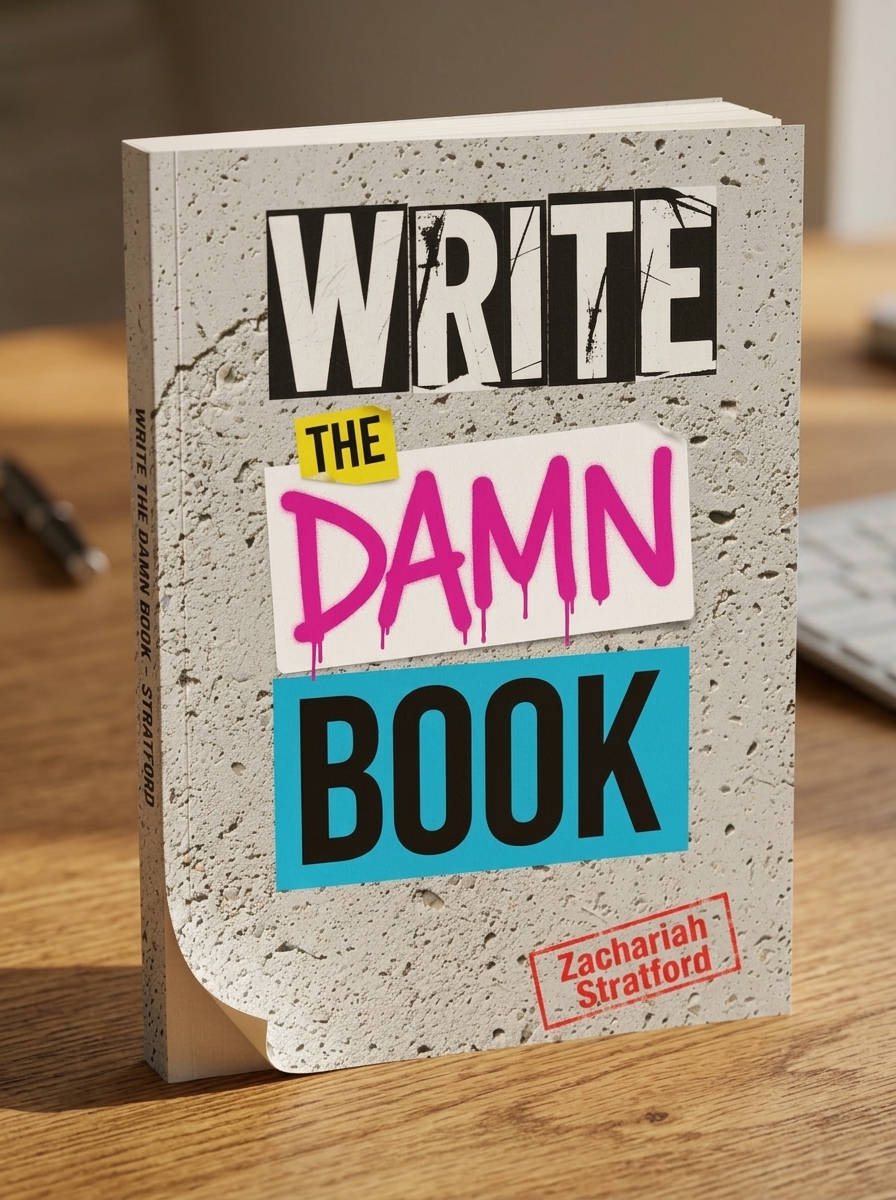
A paperback mockup — something to show an audience long before the book ships
Network with Other Authors and Influencers
Collaboration is a powerful tool for expanding your reach. Connect with other non-fiction authors, thought leaders, and influencers in your niche. Comment on their posts, share their valuable content, and participate in their online discussions. Over time, these relationships can lead to guest blogging opportunities, podcast interviews, joint webinars, or mutual content promotion. A single mention from an established voice in your field can expose your work to thousands of new potential readers who already trust that influencer's recommendations. Look for peers who have a similar audience but aren't direct competitors.
Build an Email List from Day One
Social media algorithms can change overnight, but your email list remains your direct line to your audience. This is arguably the most important asset you can build for your author platform. Offer something valuable for free – often called a "lead magnet" – in exchange for an email address. This could be a short guide, a checklist, a resource list, or a mini-course related to your book's topic. Use your email list to share exclusive content, updates on your writing progress, and early peeks at your book. When launch time comes, your email list will be your most dedicated group of early adopters, ready to buy and review your book. Starting this early, even with just a few subscribers, establishes a powerful communication channel.
A short vertical author video — the format that grows a platform pre-launch
Tease Your Book's Progress and Insights
As you get closer to finishing your book, start generating anticipation. Share behind-the-scenes glimpses of your writing process, discuss interesting research findings, or reveal key takeaways from specific chapters. You don't need to give away the farm, but offering tantalizing snippets keeps your audience engaged and excited for the full release. For example, you might post a graphic with a compelling statistic you uncovered during your research or share a thought-provoking question that your book answers. This isn't just about marketing; it's about bringing your audience along on the journey of creation, making them feel like they're part of something special.
Find a Winning Ad and Clone It — With Your Book
Search real ads from any influencer in your niche, pick the one that's actually working (longest-running is the tell), and AI recreates its exact structure with your book and your avatar swapped in.