Launching your first Facebook Ads campaign for your self-published book can feel like navigating a complex maze. But it doesn't have to. In 2026, leveraging Facebook's vast audience remains one of the most effective ways for independent authors to find new readers and boost sales. This guide will walk you through setting up your inaugural campaign, from defining your audience to crafting compelling static ads, helping you get your book in front of thousands of potential buyers with a clear, step-by-step approach.
Understanding Your Audience: The Foundation of Effective Book Ads
Before you spend a single dollar on ads, you need a crystal-clear picture of who your book is for. This isn't just about demographics; it's about psychographics, interests, and behaviors. Who is your ideal reader? What problems does your book solve for them? What other books do they read? What pages do they follow?
For non-fiction authors, this step is particularly critical. Your book isn't just a story; it's a solution. Identifying your target reader's pain points allows you to frame your advertising message powerfully. For example, if your book helps small business owners master their finances, your audience might include people interested in entrepreneurship, financial planning, or specific business gurus. Spending 30 minutes on this upfront can save you hundreds of dollars in wasted ad spend later.
Step-by-Step: Setting Up Your First Facebook Ads Campaign for Books
Here’s a clear path to launching your first successful campaign:
- Define Your Campaign Objective (5 minutes): Log into Facebook Ads Manager. Select an objective that aligns with your goal. For most book sales, "Traffic" (to your Amazon page or website) or "Conversions" (if you have a pixel set up for purchases) are excellent choices. Start with "Traffic" for simplicity.
- Name Your Campaign & Ad Set (2 minutes): Choose descriptive names. For instance, "Book Title - Traffic - Target Audience 1."
- Set Your Budget (3 minutes): Start small. A daily budget of $5–$10 is perfectly fine for testing. Don't blow your entire budget on a single untested ad.
- Target Your Audience (15–20 minutes): This is where your pre-work pays off.
- Location: Start with countries where your book is available (e.g., United States, Canada, United Kingdom, Australia).
- Age & Gender: Based on your ideal reader profile.
- Detailed Targeting: Enter interests relevant to your book. Think about authors, specific topics, public figures, or even magazines and websites your audience might frequent. Facebook’s suggestions can be incredibly helpful here. For example, if your book is about productivity, target "Time Management," "Self-Improvement," "Atomic Habits (book)," or "James Clear (author)."
- Exclusions: Exclude people who already like your page (if your objective is new readers).
- Choose Placements (2 minutes): For beginners, "Automatic Placements" is fine. Facebook's algorithm will optimize delivery. As you get more experienced, you might choose specific placements (e.g., only Facebook Feeds) for specific ad types.
- Create Your Ad (10–15 minutes per ad): This is where your static ad creatives come into play.
- Format: Select "Single Image or Video."
- Media: Upload your book cover or an eye-catching visual. High-quality static ads are crucial.
- Primary Text: Your ad copy. Start with a hook, introduce the problem your book solves, present your book as the solution, and end with a strong call to action. Keep it concise, around 3–5 sentences.
- Headline: A short, punchy statement (e.g., "Unlock Your Financial Freedom," "Master Productivity in 30 Days").
- Description (Optional): More detail if needed.
- Call to Action Button: "Shop Now," "Learn More," or "Order Now" are typical for books.
- Destination URL: Link directly to your book’s sales page (e.g., Amazon KDP, your website).
- Review and Publish (2 minutes): Double-check everything, especially your budget, targeting, and links.
Crafting Compelling Static Ads: Your Book's Visual Hook
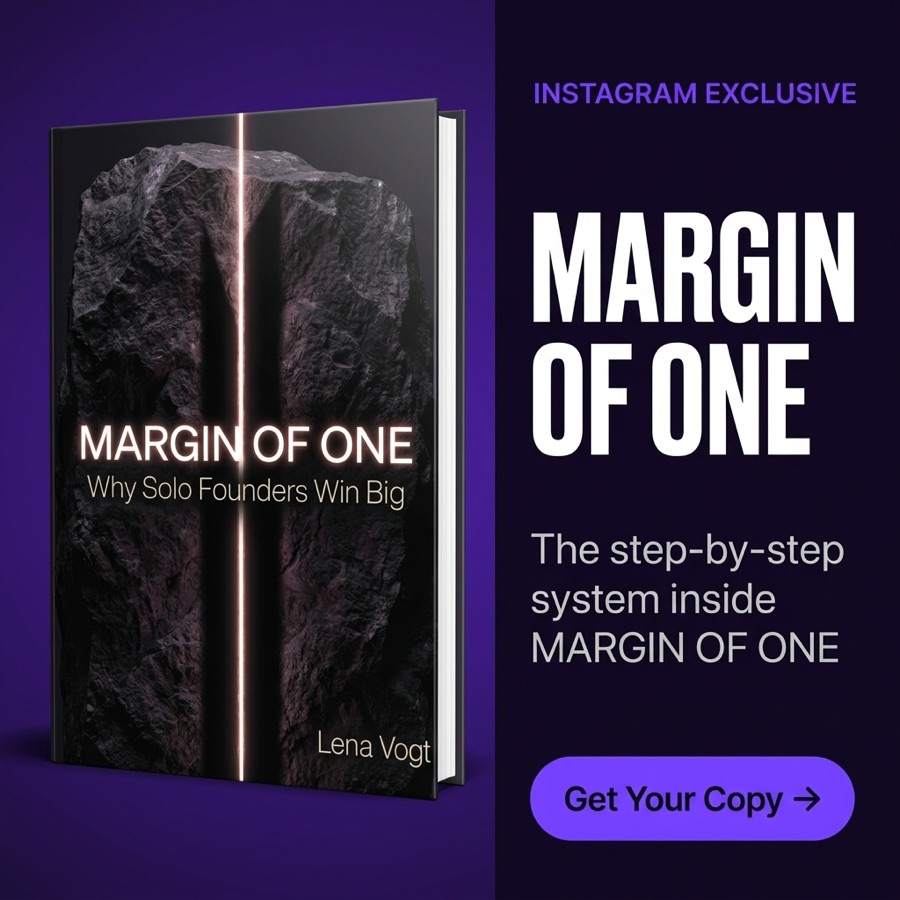
In the bustling landscape of a Facebook feed, your static ad is your book's first impression. A well-designed image or graphic can stop a scroller dead in their tracks, compelling them to read your ad copy. For self-published authors, the visual quality of your ad needs to rival that of traditionally published books.
Your primary visual should almost always feature your book cover prominently. Beyond that, consider creating variations that highlight key messages or testimonials. For example, an ad might overlay a compelling quote from a reviewer on a stylized background that subtly incorporates elements of your book's cover design. Think about clarity, contrast, and conveying your book's genre and promise at a glance. Text overlays should be minimal and impactful, adhering to Facebook's 20% text rule (though this is less strictly enforced now, it's still good practice).
Experiment with different visuals. Perhaps one ad features just your book cover, another has the cover alongside a relevant graphic, and a third uses a compelling photo related to your book's topic. Testing multiple visuals helps you understand what resonates most with your target audience, potentially improving your click-through rates by as much as 30-50%.

Writing Ad Copy That Converts: From Scroll to Sale
Once your static ad has captured attention, your ad copy must seal the deal. This isn't about summarizing your book; it's about selling the transformation or benefit it offers. Follow a simple AIDA (Attention, Interest, Desire, Action) framework:
- Attention: Start with a strong hook or question that speaks directly to your reader's pain point. "Tired of feeling overwhelmed by your finances?"
- Interest: Introduce your book as the guide to overcoming this challenge. "In my new book, 'Money Mastery in 30 Days,' I reveal a proven system..."
- Desire: Describe the positive outcome or transformation your reader will experience. "...to help you build lasting wealth and reclaim your financial peace of mind, without complicated jargon."
- Action: Provide a clear, urgent call to action. "Click 'Shop Now' to get your copy today and start your journey to financial freedom!"
Keep your sentences short and impactful. Use emojis judiciously to break up text and add personality. Write 3-5 different versions of your primary text to test. Small tweaks to your headline or call to action can significantly impact performance, sometimes increasing conversions by 10-20%.

Measuring Success and Optimizing Your Campaigns
Launching your campaign is just the beginning. The real work lies in monitoring its performance and making data-driven adjustments. Facebook Ads Manager provides a wealth of metrics, but focus on the key indicators for your objective.
For a "Traffic" campaign, look at your Cost Per Click (CPC) and Click-Through Rate (CTR). A low CPC and high CTR indicate that your ads are resonating with your audience and driving people to your book page. If your CPC is high (e.g., above $1.00 for a book ad) or CTR is low (e.g., below 1%), it's a signal to experiment with new ad creatives or refine your targeting. For "Conversions," your Cost Per Purchase is the ultimate metric. A good target for profitability often means your Cost Per Purchase is less than your book's profit margin.
Test, test, test! Run A/B tests with different ad copy, visuals, headlines, and even audience segments. Let your ads run for at least 3–5 days to collect enough data before making significant changes. Turn off underperforming ads and scale up those that are delivering results. This iterative process is how you refine your approach and find winning combinations, potentially improving your Return on Ad Spend (ROAS) by 2x or even 3x over time.

10 Ad Concepts, or 15 Proven Templates — Your Choice
Generate a batch of 10 AI-written ad concepts from your cover, or pick from 15 individually designed templates (Movie Poster, Billboard Takeover, The Receipt, and more) and generate one at a time.
Try the Ad Studio Free →