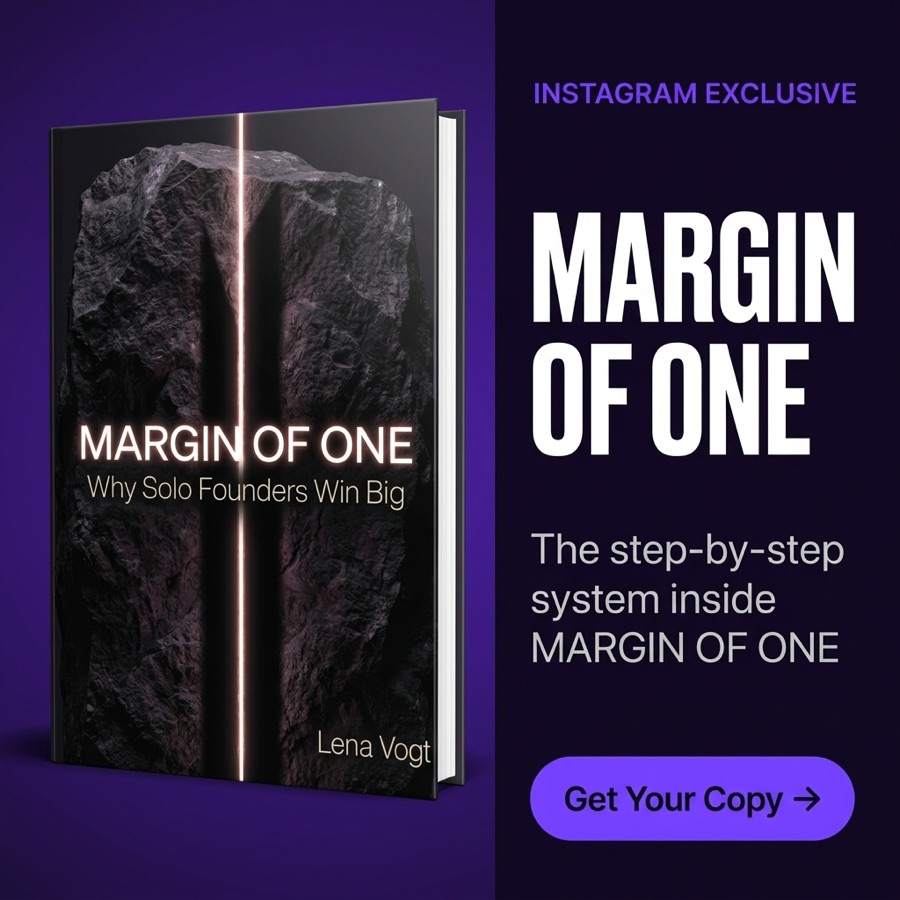
How Many Book Ad Creatives to Test in 2026 to Find a Winner (and Save Thousands)
By Zachariah Stratford
Finding the right book ad creative to capture your audience's attention isn't about throwing countless darts at a board; it's about strategic testing. In 2026, non-fiction authors need to test a minimum of 5-10 distinct static ad creatives to reliably identify a winning campaign. This isn't just a random guess; it’s a data-driven approach designed to help you quickly pinpoint the messaging, visuals, and calls-to-action that resonate most strongly with your target readers, allowing you to scale successful ads and avoid wasting valuable ad spend on underperforming ones.
Why You Need More Than One or Two Book Ad Creatives
Many authors start their ad campaigns with just one or two ad variations, hoping one will magically perform. However, this approach often leads to stagnant results and wasted budget. Think of it like this: if you only have one fishing lure, you might catch something, but if you have a tackle box full of different options, your chances of landing a big one dramatically increase.
In the competitive landscape of 2026, an effective ad campaign requires testing multiple hypotheses about what will compel your audience. Each ad creative isn't just an image and some text; it's a unique combination of a visual concept, a headline hook, body copy that speaks to a specific pain point, and a call to action. Testing 5-10 distinct variations allows you to:
Identify diverse audience segments: Different creatives might appeal to different facets of your target audience.
Uncover unexpected winners: What you *think* will work might not always be what performs best.
Optimize for different platforms: An ad that thrives on Instagram might fall flat on LinkedIn.
Gather actionable data: With sufficient variations, you can analyze which elements (colors, imagery, tone, headline style) contribute to success or failure.
Without a robust testing framework, you're leaving sales on the table and pouring money into creatives that don't convert.
Strategic Approaches to Book Ad Creative Testing in 2026
Testing isn't just about quantity; it's about smart design. Before you even launch your ads, consider these strategic approaches to maximize the insights you gain from your 5-10 creatives.
Classic Split static ad template layout
A/B Testing vs. Multivariate Testing
When you're aiming for 5-10 creatives, you’re likely engaging in a form of multivariate testing rather than strict A/B testing.
A/B Testing: Compares two versions (A and B) where only *one* element is changed. For example, the same image with two different headlines.
Multivariate Testing: Compares multiple variables at once. With 5-10 creatives, you might be testing different images, headlines, and body copy combinations simultaneously. This is more efficient for discovering winning combinations quickly but requires a larger audience sample to get statistically significant results.
For non-fiction authors, especially those with niche topics, a hybrid approach often works best. Start with 2-3 radically different concepts, then iterate on the best performers with 2-3 A/B test variations each. This gets you to your 5-10 distinct creatives without overwhelming your initial data analysis.
Focus on Core Variables
Don't randomly generate 10 ads. Each creative should test a specific hypothesis. Focus on these core variables:
Visual Hook: Test different imagery. Does a minimalist design work better than one featuring a person? Is an abstract graphic more engaging than a direct cover shot?
Headline Strategy: Experiment with benefit-driven headlines, curiosity-gap headlines, question-based headlines, or urgent call-to-action headlines.
Body Copy Angle: Try focusing on different pain points your book solves, different transformation promises, or different emotional appeals.
Call to Action (CTA): "Buy Now," "Learn More," "Download Sample," "Get Your Copy" – these small changes can have a significant impact on click-through rates.
By isolating these variables within your 5-10 creatives, you’ll gain clearer insights into what truly drives clicks and conversions.
Billboard Takeover static ad template layout
Step-by-Step: How to Design Your Book Ad Creative Test
To effectively test 5-10 book ad creatives, follow this streamlined process:
Identify 2-3 Core Angles (Creatives 1-3): Develop 2-3 vastly different ad concepts. For example:
Creative 1: Focus on the biggest pain point your book solves.
Creative 2: Highlight the ultimate transformation your reader will experience.
Creative 3: Emphasize a unique, surprising fact or statistic from your book.
Each of these should have a distinct visual, headline, and body copy to represent a major hypothesis.
Create Visual Variations (Creatives 4-6): Take your best-performing core ad from Step 1 and generate 2-3 new versions that keep the copy largely the same but change only the main visual. This helps determine image efficacy.
Test Headline Hooks (Creatives 7-8): For another strong core ad, create 2 new versions that keep the visual and body copy but alter the headline significantly. This isolates headline impact.
Refine CTA or Body Copy (Creatives 9-10): Use your remaining slots to test a different call to action on a top-performing ad, or a slightly varied body copy that addresses a secondary pain point.
This structured approach ensures that your 5-10 creatives provide actionable data, leading you to a clear winner.
Monitoring and Scaling Your Winning Creatives
Once your 5-10 creatives are live, consistent monitoring is paramount. Look for ads with high click-through rates (CTR) and low cost-per-click (CPC). Don't pull ads too quickly; give them at least 3-5 days to gather sufficient data, especially if your budget is moderate.
When you identify a winning creative (or 2-3 strong performers), allocate more budget to it. This is where your investment in diverse creative testing pays off – you're no longer guessing; you're scaling what works. Remember, even a winning ad can experience "creative fatigue" over time, so plan to cycle in new creatives and re-test periodically, perhaps every 4-6 weeks for long-running campaigns. Aim to replace your top performers with new variations every 2-3 months to keep your audience engaged.
WARNING Label static ad template layout
AuthorWizard.app: Streamlining Your Static Ad Creative Process in 2026
The idea of creating 5-10 distinct ad creatives can feel daunting, especially when you factor in design, copywriting, and strategic alignment. This is where a tool like AuthorWizard.app proves invaluable for non-fiction authors in 2026, effectively replacing the $1,500/month cost of dedicated ad research and creative services.
AuthorWizard.app simplifies the entire process of generating static ad creatives. With its Stage 13 — Static Ad Generation feature, you can:
Generate 10 AI-written ad concepts in one pass: The platform instantly produces a batch of 10 complete ad concepts, including headlines, visual suggestions, target platforms (Instagram, Facebook, LinkedIn, TikTok), and compelling body copy. These concepts are designed around your book cover and tailored to your book's unique messaging.
Pick from 15 Individually Designed Ad Templates: If you prefer a more structured approach or have a specific visual style in mind, you can select from 15 pre-designed templates. These aren't generic placeholders; they're unique concepts like "Classic Split," "Billboard Takeover," "WARNING Label," "Movie Poster," "Torn Reveal," "Text Thread Reveal," "Stat Scoreboard," "Book Math," "Us vs. Them Grid," "Confession," "Excuse Graveyard," "Boss Fight," "Book Kaiju," "Group Chat Roast," and "The Receipt." Each template guides you in crafting a powerful ad.
Recreate Competitor Ads: Found an ad from a successful author in your niche? AuthorWizard.app allows you to recreate it using your own book cover, giving you a competitive edge without starting from scratch.
This suite of tools ensures you can rapidly produce the 5-10 high-quality, diverse static ad creatives necessary to find your winning combination, saving you countless hours and the expense of hiring graphic designers or ad copywriters. It transforms the often-cumbersome process of ad creative generation into an efficient, strategic advantage.
10 Ad Concepts, or 15 Proven Templates — Your Choice
Generate a batch of 10 AI-written ad concepts from your cover, or pick from 15 individually designed templates (Movie Poster, Billboard Takeover, The Receipt, and more) and generate one at a time.