Why Your Book Ad Is Not Converting: 9 Creative Mistakes to Fix First in 2026
By Zachariah Stratford
Your book ad isn't just underperforming; it's actively costing you money and valuable potential readers. In 2026, the digital ad landscape is more competitive than ever, and a poorly designed or targeted ad can sink your book before it even gets a fair shot. If your click-through rates are abysmal and your sales numbers are stagnant, chances are one of these nine creative missteps is to blame. The good news? Each one has a clear, actionable fix that can dramatically improve your ad's effectiveness and get your non-fiction book into the hands of the right readers.
1. Ignoring Your Ideal Reader's Deepest Pain Points
Many authors focus their ads on the *features* of their book – "It has 12 chapters!" or "It's full of fascinating research!" – instead of the *benefits* to the reader. Your non-fiction book exists to solve a problem or fulfill a desire. If your ad copy doesn't immediately connect with a specific pain point your target reader experiences, they'll scroll right past. For instance, if your book helps entrepreneurs overcome burnout, don't say "A Guide to Business Success." Say, "Feeling Drained? Discover How to Scale Your Business Without Sacrificing Your Sanity." Aim for headlines that stop the scroll by echoing their internal monologue.
2. Using Generic or Uninspired Visuals
Your ad's visual is the first thing people see, yet many authors rely on a plain book cover image or a generic stock photo. This is a critical mistake. In a feed saturated with content, your visual needs to be a pattern interrupt. It should be intriguing, relevant, and emotionally resonant. Think about images that evoke curiosity, highlight the problem your book solves, or hint at the transformation readers will experience. Avoid blurry photos, clip art, or anything that screams "low effort." A high-quality, compelling visual can increase engagement by 200–300%.
3. Writing Vague or Overly Academic Ad Copy
Non-fiction books often deal with complex topics, but your ad copy needs to be concise, clear, and benefit-driven. Avoid jargon, overly long sentences, or paragraphs that require intense concentration. People skim. Your headline and first sentence should grab attention, and the subsequent copy should quickly explain what the reader will gain. Use strong verbs and a direct, conversational tone. Imagine you have 3–5 seconds to convince someone to click; every word must count.
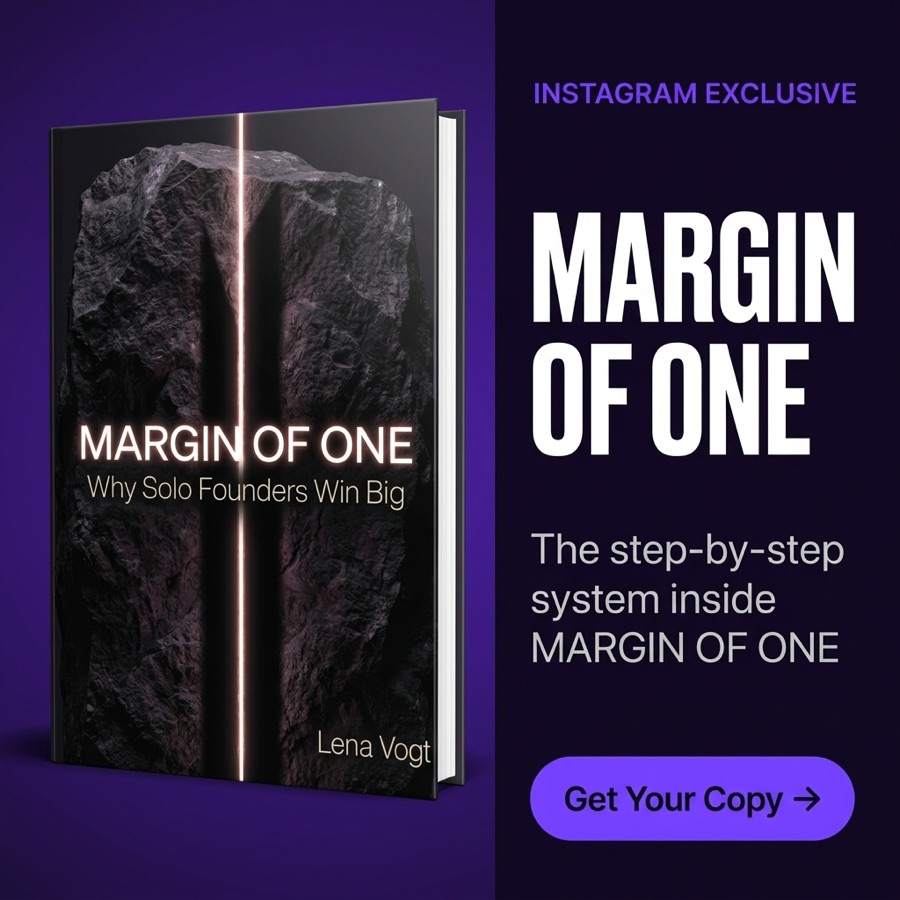
Classic-split static ad template
4. Missing a Clear Call-to-Action (CTA)
It sounds obvious, but you'd be surprised how many ads fail to tell the reader what to do next. Do you want them to "Buy Now," "Learn More," "Download a Sample," or "Add to Cart"? Make your CTA prominent, specific, and easy to understand. Don't assume readers will figure it out. A strong, action-oriented CTA can boost conversions by 10–20%. Place it strategically, often at the end of your ad copy and on the button itself.
5. Not Testing Different Ad Creatives
One of the biggest creative mistakes is putting all your eggs in one basket. You might *think* you know what resonates with your audience, but without testing, you're guessing. Run multiple versions of your ad simultaneously, varying headlines, visuals, and body copy. A/B testing allows you to gather data on what works best. Even small tweaks can yield significant improvements; a 1% increase in click-through rate across 10,000 impressions means 100 more clicks for the same ad spend.
Billboard-takeover static ad template
Why Your Book Ad is Failing: 5 Key Creative Fixes
If your book ads aren't converting, these 5 creative issues are often the culprits:
1. **Ignoring Reader Pain Points:** Ads should address your target audience's specific problems, not just your book's features. Focus on the transformation.
2. **Generic Visuals:** Your ad needs to stand out with intriguing, high-quality images that evoke emotion or curiosity.
3. **Vague Ad Copy:** Be concise, direct, and benefit-oriented. Avoid jargon and long paragraphs.
4. **Missing CTA:** Clearly tell readers what action to take (e.g., "Buy Now," "Learn More").
5. **Lack of Testing:** Always run multiple ad variations (A/B testing) to see which headlines, visuals, and copy resonate most.
6. Failing to Use Your Book Cover Effectively
While a plain cover image might not be enough, your book cover is still a powerful asset. Ensure it's high-resolution and clearly visible in the ad. Consider using a 3D mockup of your book cover to make it pop, or integrate it into a lifestyle image where someone is reading it. Your cover communicates genre, tone, and professionalism at a glance. Make sure it's doing its job, especially if you've invested $400–$2,000 in a professional design.
Warning-label static ad template
7. Inconsistent Branding and Messaging
Your ad is the first touchpoint, but the user journey doesn't end there. Is the landing page they click through to consistent with your ad's messaging, visual style, and tone? If your ad promises an exciting, fast-paced read but the landing page is bland and difficult to navigate, you'll lose conversions. Maintain a cohesive brand experience from the ad to your sales page to your book itself. This builds trust and reinforces your book's value.
8. Not Leveraging Social Proof or Authority
People are more likely to buy if they see others have already found value in your work. If your book has received positive reviews, a compelling blurb from an industry expert, or an endorsement, incorporate these into your ad creative. A short, impactful quote can be far more persuasive than a lengthy description. For example, " 'A must-read for every entrepreneur!' – Sarah J. Smith, CEO of InnovateX." This instantly adds credibility and reduces perceived risk for the reader.
Movie-poster static ad template
9. Underestimating the Power of Static Ads
In the age of video, many authors overlook the immense potential of static ads. They are often less expensive to produce and test, load faster, and can be incredibly effective when done right. A well-designed static ad can grab attention and convey a powerful message in a single glance. With platforms like AuthorWizard.app, you can generate 10 AI-written ad concepts in one pass, complete with headlines, visuals, and body copy for Instagram, Facebook, LinkedIn, and TikTok, all using your own book cover. Or, if you need a specific look, pick from 15 individually designed templates such as "Movie Poster," "Billboard Takeover," or "The Receipt" to create a single, high-impact ad. This flexibility allows you to quickly iterate and find what resonates with your audience without breaking the bank on complex video production.
By addressing these nine creative mistakes, you can significantly improve the performance of your book ads in 2026. Stop wasting ad spend on creatives that fall flat and start attracting the readers who are genuinely looking for what your non-fiction book offers.
10 Ad Concepts, or 15 Proven Templates — Your Choice
Generate a batch of 10 AI-written ad concepts from your cover, or pick from 15 individually designed templates (Movie Poster, Billboard Takeover, The Receipt, and more) and generate one at a time.