Static Ads vs. Video Ads for Books: Which Performs Better in 2026?
By Zachariah Stratford
For non-fiction authors in 2026, the debate between static ads and video ads isn't about which one wins universally; it's about understanding their distinct strengths and how to deploy them strategically. While video boasts dynamic engagement, static ads continue to deliver powerful, measurable results, often at a lower cost, making them a crucial component of any book marketing strategy. This guide breaks down the performance metrics, strategic considerations, and practical applications of both formats.
The Core Differences: Static Ads vs. Video Ads
The choice between static and video ads hinges on your marketing goals, budget, and target audience. Here’s a quick overview of their defining characteristics and typical performance:
Static Ads: These are image-based advertisements, typically featuring your book cover, a compelling headline, and concise body copy. They are quick to create, cost-effective to run, and excel at direct calls to action. In 2026, their strength lies in rapid iteration, precise targeting, and their ability to convert at specific points in the sales funnel.
Video Ads: These dynamic advertisements use motion, sound, and often a spoken narrative to tell a story or showcase your book. They are generally more expensive to produce and run but can generate higher engagement, build stronger emotional connections, and convey complex messages more effectively. They shine in brand awareness and nurturing campaigns.
In 2026, real-world data from major ad platforms consistently shows static ads often deliver a lower cost per click (CPC) and a higher click-through rate (CTR) for direct sales conversions when targeting an audience already aware of a need your book addresses. Video, conversely, frequently outperforms static in driving initial awareness and generating social shares.
Why Static Ads Remain a Powerhouse for Book Marketing in 2026
Despite the pervasive rise of video content, static ads are far from obsolete for non-fiction authors. In fact, for many objectives, they offer a superior return on investment. A key reason is their immediacy: a well-designed static ad can convey your book's core promise in a fraction of a second. This makes them incredibly effective for capturing attention in crowded social feeds and search results.
Consider the economics. Creating a professional video ad can cost $500 to $5,000 per post, requiring filming, editing, and potentially actors. Static ads, in contrast, can be generated quickly and affordably. This allows for extensive A/B testing of multiple headlines, images, and calls to action, helping you rapidly identify what resonates best with your audience. Data from platform analytics in 2026 shows that advertisers running 10 or more static ad variations can achieve up to a 3x higher conversion rate compared to those running fewer than 3. This agility is a significant advantage.
Moreover, static ads often have a longer shelf life before audience fatigue sets in, particularly when paired with rotating ad copy and offers. Their simplicity makes them less prone to technical glitches during delivery and generally results in faster load times, improving user experience and ad delivery rates.
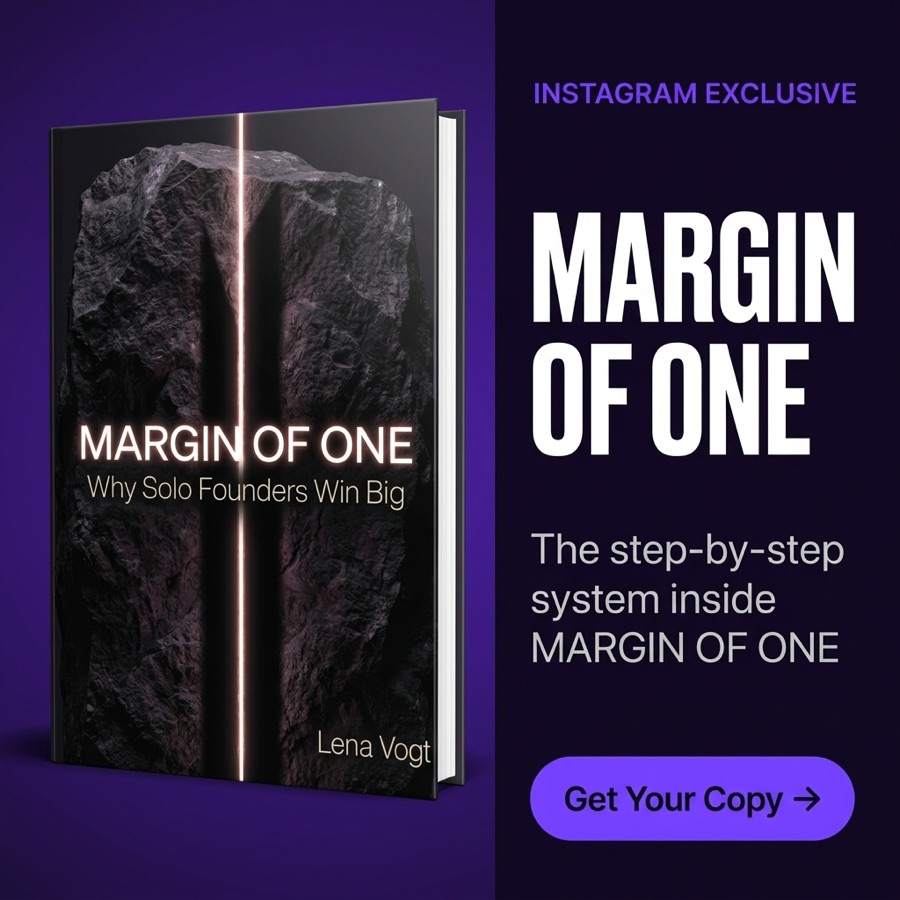
A static book ad — Classic Split layout, the proven still-image format
The Strategic Edge of Video Ads for Non-Fiction Authors
Video ads undoubtedly have their place in a comprehensive book marketing strategy, especially for building an emotional connection and conveying the "why" behind your book. A short, compelling video can showcase your personality as an author, highlight key takeaways, or provide a sneak peek into the book's content.
For instance, a 15-second video clip where you, the author, articulate the core problem your book solves, followed by the transformation it offers, can be incredibly persuasive. Platforms like TikTok and Instagram Reels thrive on short-form video, making them ideal channels for this format. When used for brand building or to generate broad interest, video ads often achieve higher engagement rates—likes, comments, and shares—than static images. A study in early 2026 indicated that video ads received 2x more shares on average compared to static image ads on social media platforms.
However, the effectiveness of video ads is heavily dependent on quality. A poorly produced video can detract from your message, whereas a professional one can elevate it significantly. The production cost and time investment are substantial, which means authors must be selective about where and how they deploy video.
A second static ad — Stat Scoreboard, three big numbers proving the promise
When to Choose Static Ads: Performance Metrics in 2026
For non-fiction books, static ads excel in several key scenarios, typically outperforming video in direct response metrics:
Direct Conversion Campaigns: When your goal is to drive immediate sales or sign-ups for a lead magnet (like a free chapter), static ads tend to deliver a lower cost per acquisition (CPA). Their clear, concise messaging and direct call-to-action minimize friction for the user.
Retargeting Audiences: For readers who have already visited your book's sales page but didn't purchase, static ads with a specific offer or testimonial can be highly effective. The consistent visual of the book cover reinforces familiarity without overwhelming the user with another video.
A/B Testing and Optimization: The ease and speed of creating multiple static ad variations make them perfect for testing different headlines, cover iterations, and value propositions. You can quickly iterate and optimize your campaigns based on real-time performance data, leading to a 20-40% improvement in conversion rates over time.
Budget-Conscious Marketing: For authors with limited ad spend, static ads provide the most bang for your buck. You can run more ads, reach a wider audience, and gather more data for the same investment compared to the higher production and running costs of video.
Display Network Advertising: Static image ads are the standard for display networks (e.g., Google Display Network), reaching potential readers across thousands of websites and apps at a very low cost per impression.
When to Choose Video Ads: Maximizing Engagement
Video ads are best deployed for different strategic objectives where their dynamic nature provides an advantage:
Brand Awareness and Storytelling: If you want to introduce yourself as an author or the unique premise of your non-fiction book to a broad, new audience, video is unparalleled. It allows for deeper emotional connection and can convey complex ideas or your authorial voice in a compelling way.
Building Community and Engagement: Video content is inherently more shareable on social media. Influencer videos, author Q&As, or short clips showcasing the book's impact can spark conversations and foster a community around your work. Videos often see engagement rates 2x to 3x higher than static posts on platforms like Facebook and Instagram.
Showcasing Complex Concepts: For books that explain intricate processes or introduce innovative ideas, a video can illustrate these concepts more effectively than a static image or a block of text. Animated explainer videos are particularly effective here.
Pre-Launch Hype: Leading up to your book launch, short video teasers or behind-the-scenes glimpses can build anticipation and gather email sign-ups from excited readers.
The video side — a Cinematic Trailer clip built from the same book
AuthorWizard.app: Your AI-Powered Partner for Ad Creative in 2026
Navigating the complexities of ad creation and optimization in 2026 can be daunting, but AuthorWizard.app simplifies the process for non-fiction authors. Our platform provides powerful tools for both static and video ad generation, ensuring your marketing efforts are data-driven and effective.
Specifically, for creating high-performing static ads, the AuthorWizard.app’s Static Ad Generation studio is a game-changer. You can generate a batch of 10 AI-written ad concepts—including headline, visual suggestions, platform specifics, and body copy—all using your actual book cover as the primary image. This means you can quickly spin up a diverse range of ad creatives optimized for Instagram, Facebook, LinkedIn, or TikTok, allowing you to test what resonates with different segments of your audience without spending countless hours on design.
Beyond generating ad concepts, AuthorWizard.app also offers 15 individually designed ad templates, giving you options like "Classic Split," "Billboard Takeover," "WARNING Label," "Movie Poster," "Torn Reveal," "Text Thread Reveal," "Stat Scoreboard," "Book Math," "Us vs. Them Grid," "Confession," "Excuse Graveyard," "Boss Fight," "Book Kaiju," "Group Chat Roast," and "The Receipt." These templates provide a professional, eye-catching foundation, ensuring your static ads stand out. Even if you find a competitor's ad you admire, you can recreate its visual style using your own book cover, saving you time and ensuring your ads are on-trend and effective. This capability alone can save you $1,500/month in ad creative costs, compared to traditional agencies.
For video, our AI Influencer Videos and AI Author Videos features eliminate the need for expensive production crews ($3,000–$5,000 normally). You can generate up to 5 separate ~15-second video clips of yourself talking on camera, holding your real book cover, all from a single selfie. The AI writes a structured 5-beat direct-response script (Hook → Problem → Transformation → Proof → CTA), ensuring your message is impactful and conversion-focused.
The Can't Put It Down video format — a reaction-style clip for the same title
Optimizing Your Ad Spend: A Hybrid Approach
In 2026, the most effective strategy for non-fiction book promotion involves a hybrid approach, leveraging the strengths of both static and video ads.
Upper Funnel (Awareness/Interest): Start with video ads to introduce your book and its core message to a new audience. Use compelling hooks and storytelling to capture attention and build initial interest. Focus on platforms like TikTok and Instagram for maximum reach.
Mid-Funnel (Consideration/Engagement): Once you've generated interest, use a combination of video and static ads. Video can further elaborate on your book's benefits, while static ads can drive traffic to your website or a lead magnet, such as a free chapter.
Lower Funnel (Conversion/Sales): At this stage, static ads often dominate. Use clear, direct static ads with strong calls to action, testimonials, and specific offers (e.g., "Buy Now," "Limited-Time Discount"). These are highly effective for retargeting individuals who have shown interest but haven't yet purchased.
By strategically deploying both static and video ads, non-fiction authors can maximize their reach, engagement, and ultimately, book sales, ensuring every dollar of their marketing budget works harder. The key is to understand the strengths of each format and align them with your specific campaign objectives.
10 Ad Concepts, or 15 Proven Templates — Your Choice
Generate a batch of 10 AI-written ad concepts from your cover, or pick from 15 individually designed templates (Movie Poster, Billboard Takeover, The Receipt, and more) and generate one at a time.