Creating compelling book ads can feel like a daunting task, especially when you’re a non-fiction author on a budget, and the typical $1,500/month for ad creative feels out of reach. The good news is, you absolutely can produce professional-quality DIY book ads in 2026 without hiring a designer. It requires understanding the core elements of a successful static ad and utilizing smart tools to bring your vision to life.
Deconstruct What Makes a Great Static Book Ad
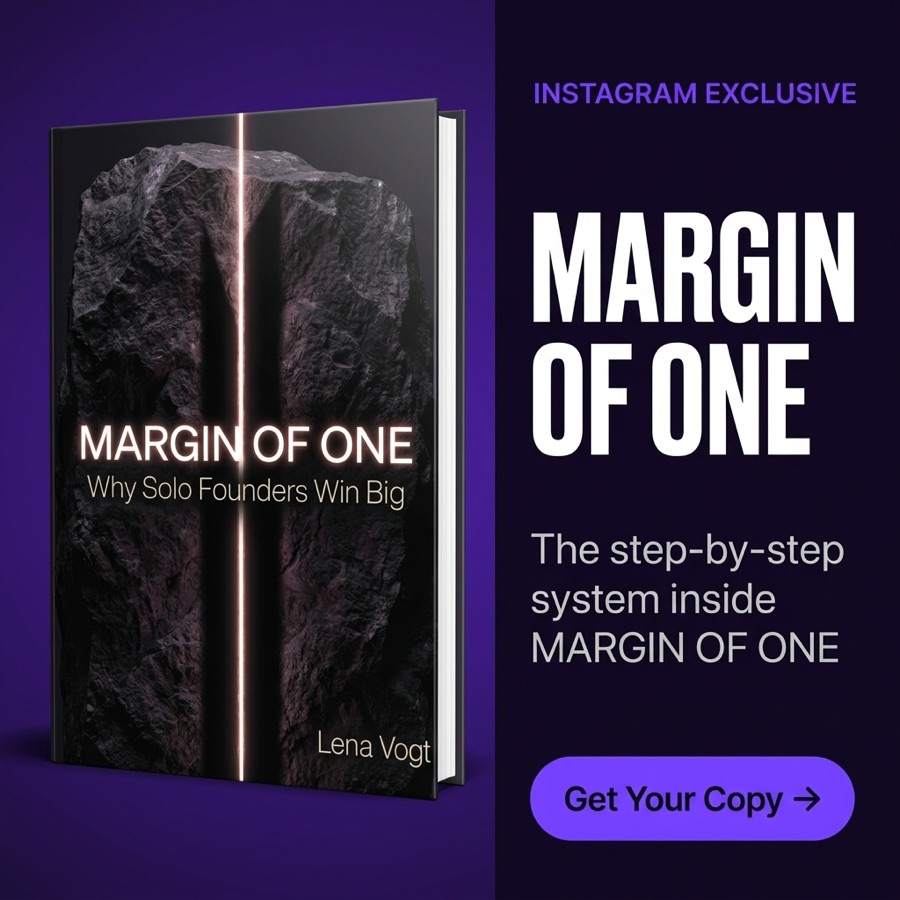
Before you jump into design, analyze the components of a static ad that truly converts. Static ads, whether for Facebook, Instagram, LinkedIn, or TikTok, typically consist of a compelling visual, a captivating headline, and persuasive body copy. The visual is often your book cover, perhaps enhanced with intriguing graphics or a specific ad template. The headline needs to grab attention instantly, while the body copy expands on the pain point your book solves and offers a clear call to action.
Start by researching successful ads in your genre. Look at what your competitors are doing. What kind of imagery do they use? What headlines draw you in? What pain points do their ads address? This reconnaissance will give you a solid foundation for your own creative process. Pay attention to ads that have been running for a long time; these are often the best indicators of what genuinely works, as underperforming ads are quickly pulled from circulation.
Your DIY Book Ad Toolkit: Essential Elements
To effectively create your own book ads, you need a few key ingredients. Think of this as your recipe for successful DIY marketing.
- Your Book Cover: This is the hero image for most static ads. Ensure it’s high-resolution and visually striking. If you don't have a professional cover yet, tools like AuthorWizard's Cover Designer can create one with 300 DPI resolution and industry-standard bleeds.
- Compelling Copy: Headlines and body text need to be concise, benefit-driven, and resonate with your target audience. You'll need to articulate the problem your book solves and the transformation it offers.
- A Clear Call to Action (CTA): Tell your potential readers exactly what to do next. "Buy Now," "Learn More," or "Download a Sample Chapter" are common examples.
- Target Audience Insight: Who are you trying to reach? Understanding their pain points, desires, and where they spend their time online (Facebook, Instagram, LinkedIn, etc.) is crucial for tailoring your ad.
By focusing on these elements, you can craft ads that not only look good but also perform well, driving readers to your book without the ongoing expense of a dedicated ad creative team.
Step-by-Step Guide to Creating Static Book Ads
Here’s a clear, actionable plan to produce your own DIY book ads in 2026:
- Define Your Ad Goal: Are you aiming for immediate sales, building an email list, or increasing brand awareness? Your goal will inform your ad's structure and CTA.
- Identify Your Target Audience: Who is your ideal reader? What are their demographics, interests, and the specific problems your non-fiction book helps them solve?
- Choose Your Platform: Different platforms (Facebook, Instagram, LinkedIn, TikTok) have varying ad specifications and audience behaviors. Tailor your ad's visual style and copy accordingly.
- Select Your Visual: Your book cover is often the best choice. Consider adding a subtle graphic overlay or a strong testimonial to make it stand out. Alternatively, mockups (like those from AuthorWizard's 3D Book Rendering Studio, which generates 5 photorealistic 3D renderings) can elevate your ad.
- Craft Your Headline: Aim for short, punchy, benefit-oriented headlines. Use power words and numbers where appropriate. For example, "Unlock 7 Proven Strategies for Financial Freedom."
- Write Engaging Body Copy: This is where you connect with your reader's pain points and present your book as the solution. Keep it concise, typically 2-3 sentences for most static ads.
- Include a Strong Call to Action: Make it crystal clear what you want people to do. "Get Your Copy Today," "Read Chapter 1 Free," or "Enroll in the Masterclass."
- Design the Ad: Use online tools (or an AI platform) to combine your visual and text into a polished ad. Ensure your design is clean, legible, and visually appealing.
- Test and Optimize: Launch different versions of your ad (A/B testing) with varied headlines, visuals, or CTAs. Monitor performance metrics like click-through rate (CTR) and conversion rate to see what resonates most with your audience.
AuthorWizard: Your AI Partner for Static Ad Creation
Generating high-quality static book ads no longer requires a graphic design degree or a monthly retainer for an agency. AuthorWizard.app integrates powerful AI tools to streamline the entire process, making DIY book ads not just possible, but easy and effective. The platform’s Static Ad Generation studio empowers non-fiction authors to create a batch of 10 AI-written ad concepts in one pass. This includes tailored headlines, suggested visuals (often using your own book cover), platform-specific insights (Instagram, Facebook, LinkedIn, TikTok), and compelling body copy.
Instead of starting from scratch, you can pick from 15 individually designed ad templates, such as "Classic Split," "Billboard Takeover," "WARNING Label," "Movie Poster," or even "The Receipt." These templates provide a professional framework, letting you generate one high-impact ad at a time. If you've found a competitor's ad that caught your eye, AuthorWizard lets you recreate it using your own book cover, taking the guesswork out of effective design.
Imagine generating 10 distinct ad variations in minutes, each optimized for different platforms and messaging angles, all included as part of your AuthorWizard subscription, saving you potentially $1,500 per month on ad creative alone. This empowers you to focus on writing and marketing your message, rather than getting bogged down in design software or agency briefings.

Mastering Ad Copy for Maximum Impact
The visual draws them in, but the copy converts them. For static ads, your ad copy needs to be potent and concise. Here’s how to optimize it:
- Hook Them Instantly: Your first sentence needs to stop the scroll. Ask a provocative question, state a shocking statistic, or present a relatable problem.
- Focus on Benefits, Not Features: Instead of saying, "My book has 300 pages," say, "Discover the 7 life-changing principles that transformed my clients' businesses."
- Create Urgency or Scarcity (if appropriate): Phrases like "Limited-time offer" or "Don't miss out" can encourage immediate action, but use them sparingly and authentically.
- Address Objections: Briefly counter common reasons why someone might hesitate to buy your book. For instance, "Too busy to read? This book delivers actionable insights in under an hour."
- Match Platform Tone: Instagram ads might be more visual and benefit-focused, while LinkedIn ads could lean into professional development and data-driven insights.
The beauty of AI tools like those in AuthorWizard is their ability to generate varied copy based on your book's content and your identified target audience. The platform ensures consistency with your authorial voice, which is established during The Interview stage, where you can upload audio or writing samples to ensure your unique tone feeds into every prompt.

Testing and Iteration: The Key to Ad Success
Launching your DIY book ads isn't a one-and-done event. The most successful advertisers constantly test and refine their campaigns. You'll need to monitor your ad performance and make data-driven adjustments.
- A/B Test Everything: Create multiple versions of your ad, changing only one element at a time (e.g., headline, visual, call to action). Run these simultaneously and see which performs better.
- Track Key Metrics: Pay attention to click-through rate (CTR), conversion rate, cost per click (CPC), and return on ad spend (ROAS). Most ad platforms provide detailed analytics.
- Optimize Based on Data: If an ad has a low CTR, maybe the visual isn't engaging enough or the headline isn't compelling. If it has a high CTR but low conversion, perhaps the landing page or book description isn't matching the ad's promise.
- Refresh Creatives Regularly: Audiences can get "ad fatigue." Plan to update your static ads every few weeks or months with fresh visuals and copy to keep them effective.
By embracing a systematic approach to testing and iteration, you can significantly improve the performance of your DIY book ads, ensuring you reach more readers and achieve your marketing objectives in 2026.
10 Ad Concepts, or 15 Proven Templates — Your Choice
Generate a batch of 10 AI-written ad concepts from your cover, or pick from 15 individually designed templates (Movie Poster, Billboard Takeover, The Receipt, and more) and generate one at a time.
Try the Ad Studio Free →